Czechia Merges Export and Investment Promotion into a Single Agency. What's Next?
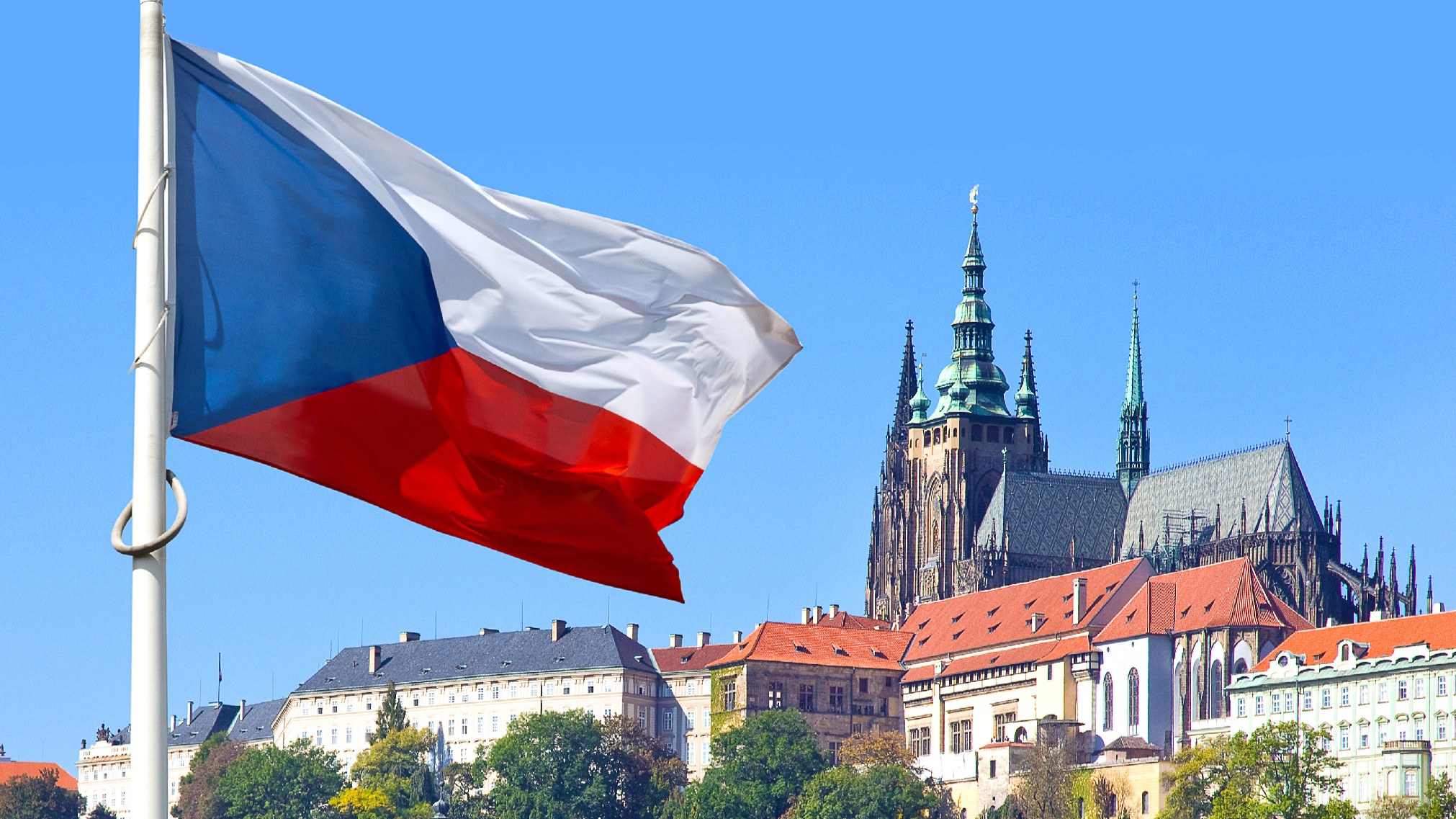
On 1 August 2026, the merger of the CzechTrade and CzechInvest agencies gave rise to a new state agency, CzechBusiness. For Czech exporters, investors and start-ups alike, this marks a fundamental change in how the state provides support for expansion into foreign markets and for business development at home. The whole process is due to be finalised, with full integration of agendas, by 1 January 2027.
What is changing
Until now, two separate institutions operated side by side, each with a different focus and its own overseas infrastructure:
- CzechTrade helped Czech companies with exports and finding business partners abroad through a network of 58 offices covering dozens of countries across five continents.
- CzechInvest focused on attracting foreign investment into the Czech Republic and supporting business infrastructure, with a network of eight representations concentrated in key investment centres (the US, the UK, Germany, South Korea, Japan, Taiwan).
The new CzechBusiness agency is being built on CzechTrade's organisational structure and will offer companies all of the services previously provided by both institutions from a single point of contact. The agency will be headed by Mr Rudolf Klepáček, the current Director General of CzechTrade.
Benefits of CzechBusiness for Czech companies
A single point of contact instead of two separate agendas. A company weighing up export opportunities while also pursuing an investment project or business infrastructure development previously had to deal with two different institutions, each with its own contacts and processes. The merger is intended to remove this duplication.
Broader international coverage for the investment agenda. By linking the two networks, investment and location advisory services will become available in markets where CzechInvest previously had no representation of its own, making use of CzechTrade's experienced network across a much wider geographical footprint.
Synergies between exporters and foreign investors. Expertise from the investment side may help Czech companies set up joint ventures with foreign partners, while the export network can serve as a springboard for investment projects in new territories.
Stronger support for start-ups. The merger is expected to place greater emphasis on supporting start-ups and their subsequent expansion into foreign markets – linking two stages that were previously handled by separate institutions.
Administrative savings that should feed through into service quality. The state expects the merger to reduce duplicate administration and the cost of running parallel overseas networks. It remains to be seen to what extent these savings will actually be reflected in improved services for companies, rather than simply in budget cuts.
A long road to realisation
The intention to combine the export-promotion and investment-promotion agencies into a single institution is not new – it has resurfaced repeatedly in Czech public policy over the years.
The proposal was first put forward in 2007, on the grounds that the investment agency was gradually drifting away from its original purpose – actively attracting foreign investors – and becoming more of an administrator of European structural funds instead. The merger did not go ahead at the time.
The topic resurfaced in 2013–2014 in connection with an internal crisis at the investment agency. Given that any merger would have required legislative changes, the ministry's leadership at the time decided neither to merge nor to abolish the agency, opting instead for a partial transformation.
The third and most thorough attempt began in spring 2018. Two options were considered – setting up an entirely new agency, or folding the export-promotion organisation into the investment agency. By 2019 the process was being described as "de facto complete", with estimated savings in the tens of millions of Czech crowns from linking overseas offices, though the formal step of actually merging the organisations was still missing. In 2020 the institutions concerned were even physically relocated (together with the tourism agency, CzechTourism) into a single building, but organisational fusion still did not follow.
It was only in 2026 that the plan was finally carried through, with the two agencies formally merged into CzechBusiness.
Throughout all these attempts, the underlying motivation remained essentially constant – saving costs on parallel administration and overseas networks, and making the range of services on offer to companies clearer. The delays in implementation stemmed more from legislative and organisational complexity than from any fundamental disagreement with the idea itself.
How it is done elsewhere
The question of whether to manage export and investment promotion through one institution or two is not a Czech peculiarity. Among advanced economies, both the merged and the separate model are represented, and according to international comparisons the split across Europe, North America and Asia is broadly even.
Over the past fifteen years, a number of large European economies have opted for the merged model:
- In Germany, a single agency was created by merging the investment and export organisations in 2009, and today it operates more than 50 offices in Germany and abroad.
- In France, the export-promotion and investment-promotion agencies were combined on 1 January 2015.
- In Sweden, a single agency was formed in 2013 through the merger of the trade council and the investment agency.
- In Poland, the investment agency underwent a gradual integration with the export agenda, completed in 2017.
The separate model, by contrast, is maintained by, for example:
- Ireland, where attracting and supporting foreign investors is the responsibility of one dedicated institution, while export support for small and medium-sized enterprises is handled by a separate organisation – this is widely regarded as one of the most consistently successful models in the EU in terms of attracting FDI.
- Austria, where investment advisory services are provided by a dedicated state company, while export support is run by a separate section of the chamber of commerce – a structurally quite distinct body with a different founding authority.
The Czech Republic's merger therefore places it firmly within the European mainstream – far from being an isolated or experimental step, it follows a path already taken by some of the continent's most successful exporting economies.
What needs attention going forward
Experience from abroad, as well as from the Czech Republic's own previous, unfinished attempts, points to several areas worth watching to see whether the merger genuinely delivers added value for companies:
- A unified information system and single point of contact across both the export and investment agendas, so that clients no longer have to navigate two separate databases and two different processes.
- Preserving specialised investment expertise – supporting major foreign investors requires different know-how (investment incentives, legal matters, real estate, aftercare) than standard export support, and the merger should not weaken this specialisation.
- Genuine use of CzechTrade's wider overseas network for the investment agenda in markets where investment representation was previously lacking.
- Transparent assessment of the impact of any savings on the quality and scope of services for companies, rather than simply on reducing the budget.
The Confederation of Industry of the Czech Republic will continue to monitor the development of the new agency and will provide updates on further steps and their practical impact on member companies.
Official information on the establishment of CzechBusiness can be found here.