What's Next for EU-China Relations?
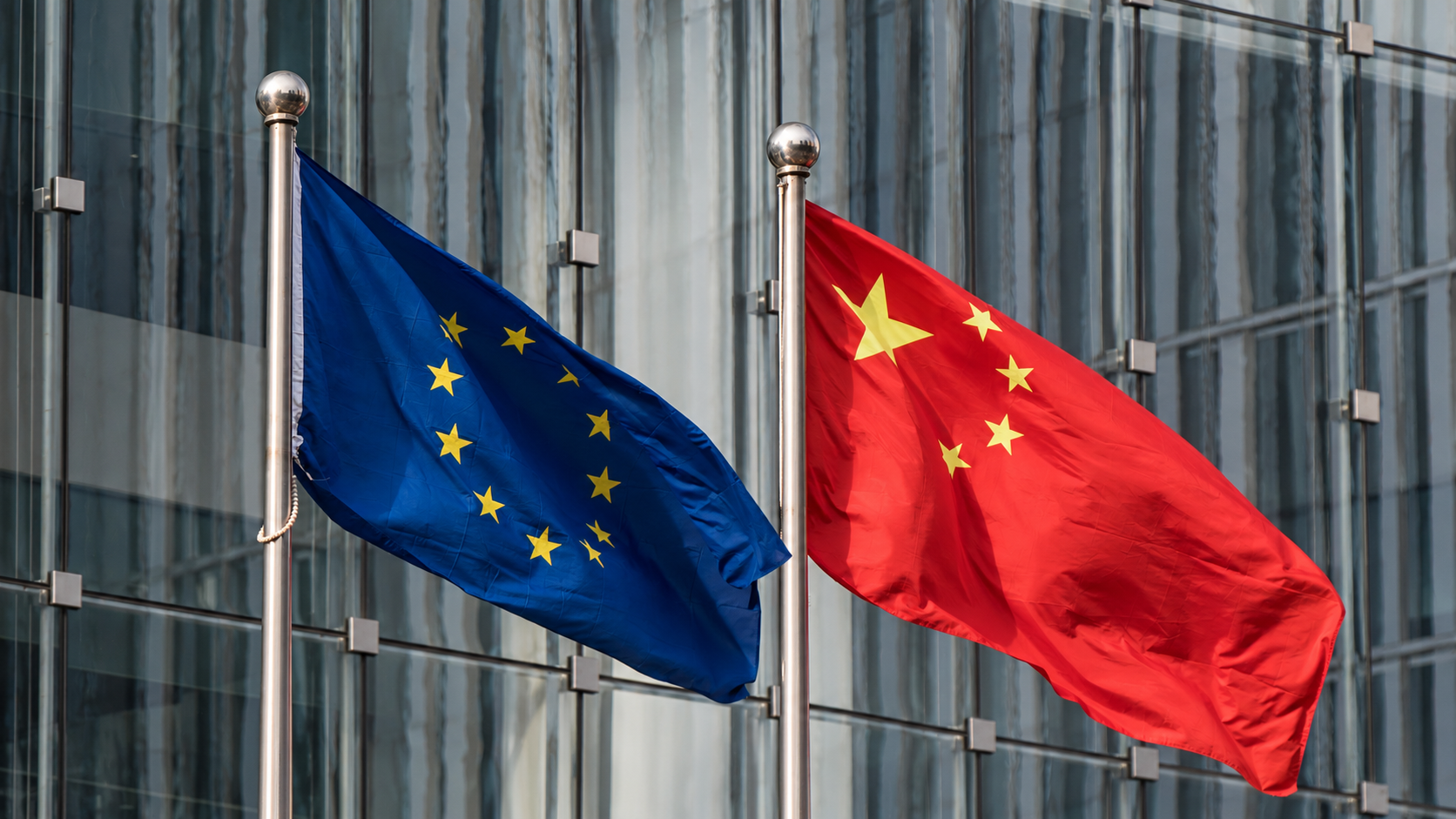
BusinessEurope, the Confederation of European Business, has published a new position paper on the future of the European Union’s trade and economic relations with China.
The Confederation of Industry of the Czech Republic (SPCR) also contributed to the preparation of the document. We call for a more consistent promotion of European interests and more effective protection against unfair competition. At the same time, however, we emphasize that China remains an important trade and investment partner for the EU, and European policy must preserve room for dialogue, cooperation, and mutually beneficial trade and investment relations.
Key points of the paper:
- Be firm where necessary, open where possible. Reduce dependencies, protect fair competition, and expand cooperation in areas of shared interest.
- Differentiate security risks from competitive challenges. Apply clear criteria and make effective use of existing policy tools.
- Assess EU measures transparently. Ensure they are targeted, proportionate, WTO-compliant, and support European competitiveness.
Economic relations between the EU and China are undergoing a fundamental transformation. China remains the EU’s second-largest trading partner in goods, a major market for European products, an important investment destination, and a hub for innovation. At the same time, it is increasingly competing with European companies in technologically advanced sectors, often under unequal conditions.
According to BusinessEurope, structural imbalances are deepening, barriers to access to the Chinese market persist, and risks associated with dependence on Chinese supplies of strategic raw materials and technologies are growing. Czech companies also regularly highlight barriers to accessing the Chinese market and complications in the business environment. The EU’s trade deficit with China reached approximately 360 billion euros in 2025. At the same time, European companies are facing the consequences of extensive state support for Chinese industry, which distorts competition.
The Evolution of EU-China Relations: Firmness and Openness
BusinessEurope therefore advocates a two-track approach toward China: taking a firm stance where necessary and remaining open to cooperation where possible.
The European Union should implement its risk-mitigation strategy more rigorously, particularly by strengthening its own competitiveness, diversifying its supply chains, and making effective use of trade policy instruments. However, the goal should not be to broadly restrict economic relations with China, but rather to reduce specific and demonstrable vulnerabilities.
EU Instruments: Effectiveness and Priorities
BusinessEurope emphasizes that the EU has a range of tools at its disposal that can help protect European businesses and ensure fair competition. These include:
- Trade Defense Instruments (TDIs) – primarily anti-dumping and anti-subsidy measures against unfair trade practices.
- Foreign Subsidies Regulation (FSR) – enables the EU to address distortions of competition in the internal market caused by foreign subsidies.
- International Public Procurement Instrument (IPI) – its goal is to promote mutual access to public procurement markets.
- Economic Security Instruments – including foreign investment screening, export controls, and instruments against economic coercion.
BusinessEurope also pays special attention to cybersecurity, particularly the proposed revision of the European Cybersecurity Act. However, the potential introduction of new measures should be preceded by a thorough impact assessment and consultation with businesses.
Strengthening Europe’s Long-Term Competitiveness
However, according to BusinessEurope, trade protection alone is not enough. Europe must simultaneously address its own structural problems, which weaken its position in the global economy. Key priorities include reducing high energy costs, completing the single European market, reducing the regulatory burden, and improving businesses’ access to financing. Diversifying trade relations and developing partnerships with other countries must also be an important part of the strategy. New EU trade agreements can contribute significantly by opening alternative markets for European companies and reducing excessive dependence on individual suppliers.
The Costs of the European Approach and Maintaining Dialogue
BusinessEurope warns that if a tougher approach toward China is adopted, retaliatory measures could follow, even in sectors that do not pose a security risk. Similarly, diversification could lead to higher costs. The EU must therefore transparently assess the impacts of its decisions so that the economic burden does not fall disproportionately on member states and companies.
According to BusinessEurope, any new mechanisms to support diversification or assist sectors affected by retaliatory measures require further expert assessment and consultation with the business community.
The main goal must be a strong, resilient, and competitive Europe that defends its interests while maintaining open international trade and dialogue.
Documents in the Downloads section ⇣⇣⇣
- What way forward for EU-China relation - Views of European business - Short Brief
- What way forward for EU-China relations - Views from european business